
OneAg Resource Hub: Continuing the Momentum
Relive the highlights and explore the ideas shaping what’s next.
Connecting you with the resources that drive OneAg forward
The Dialogue That Drives What’s Next
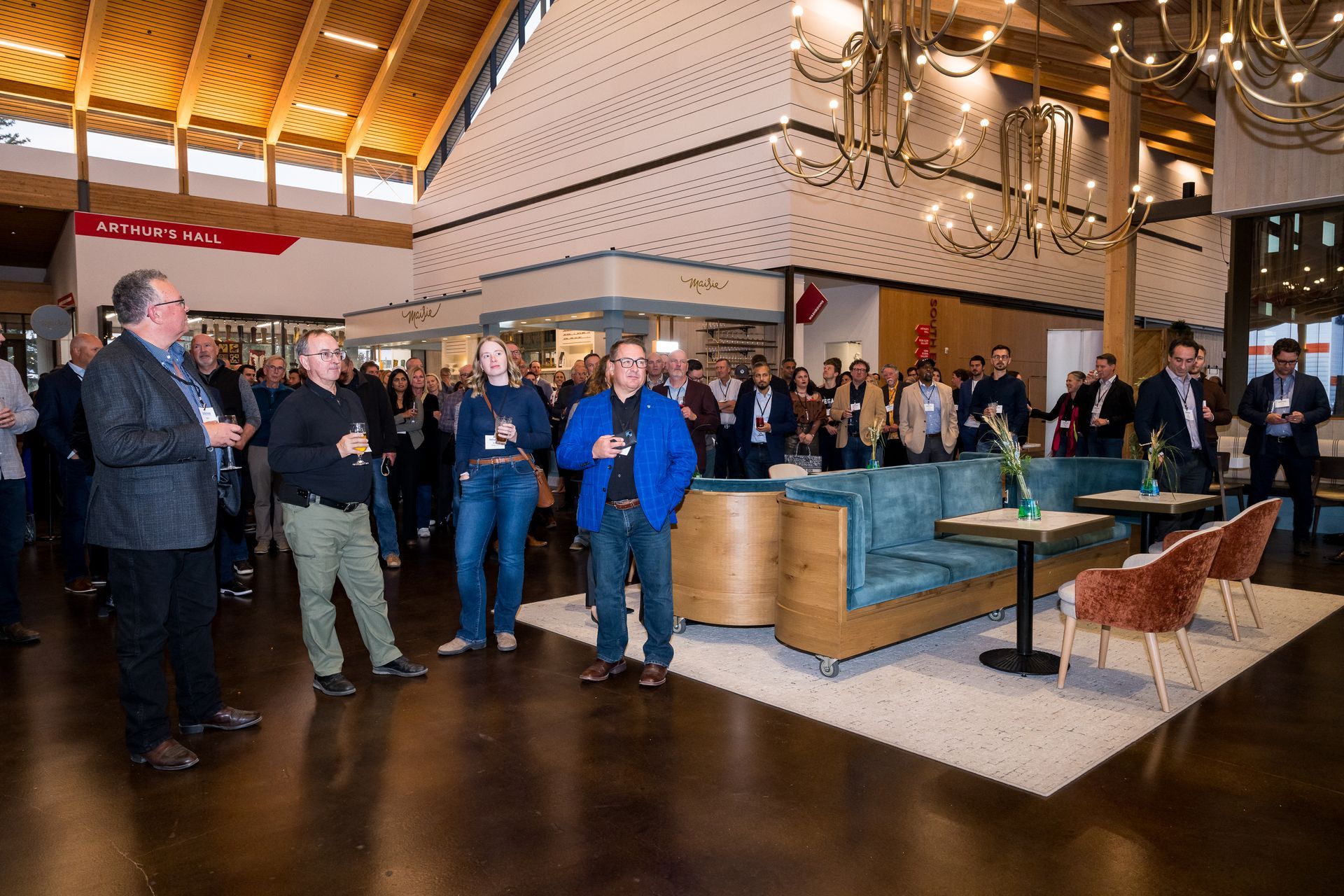
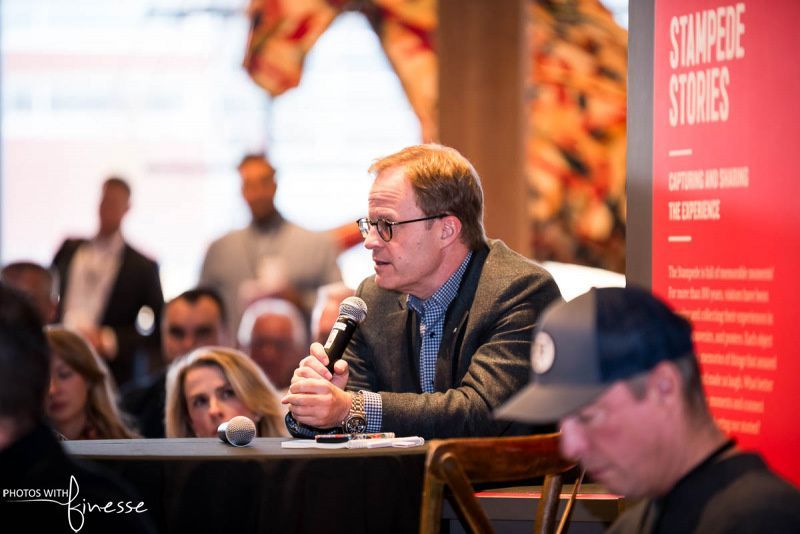
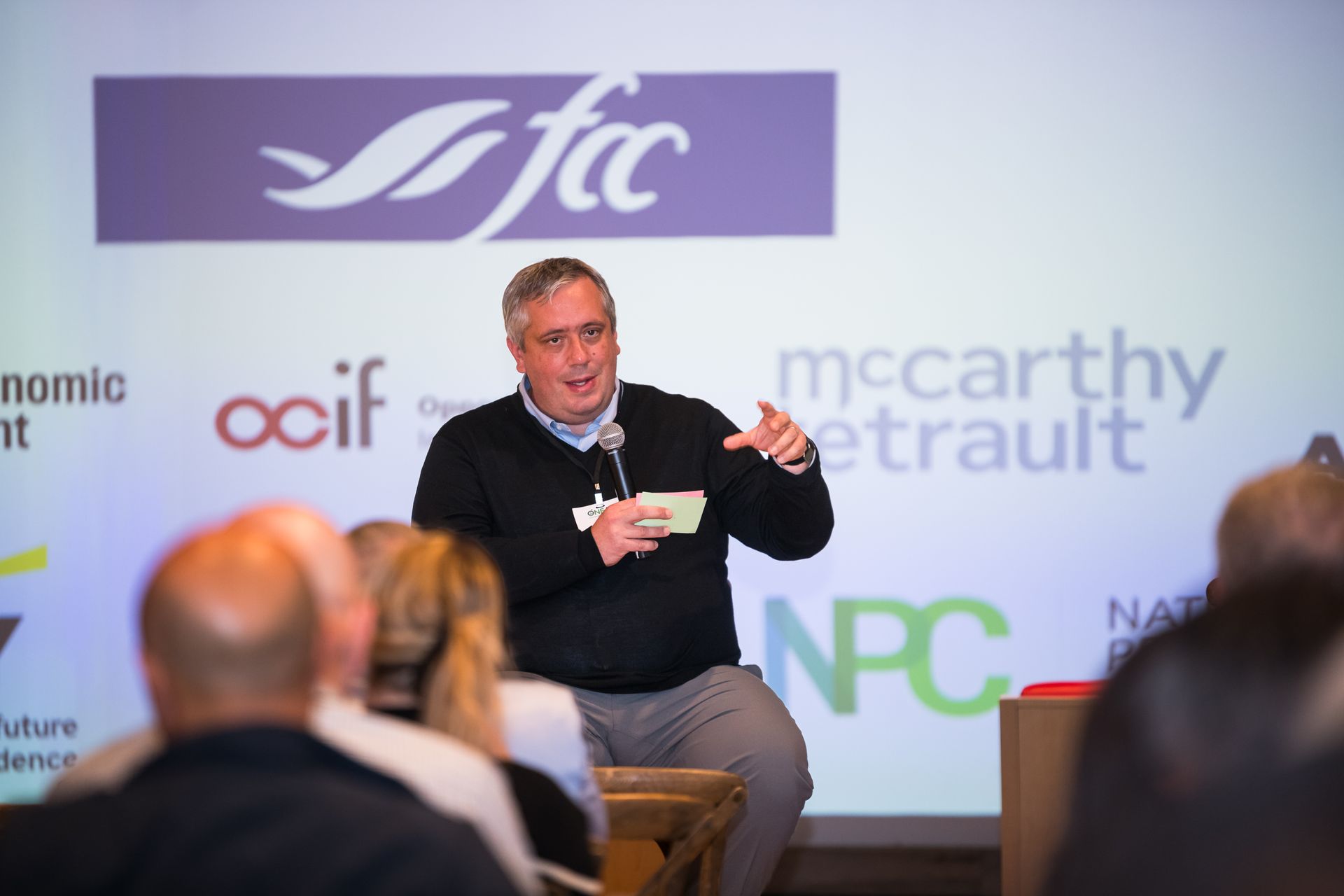
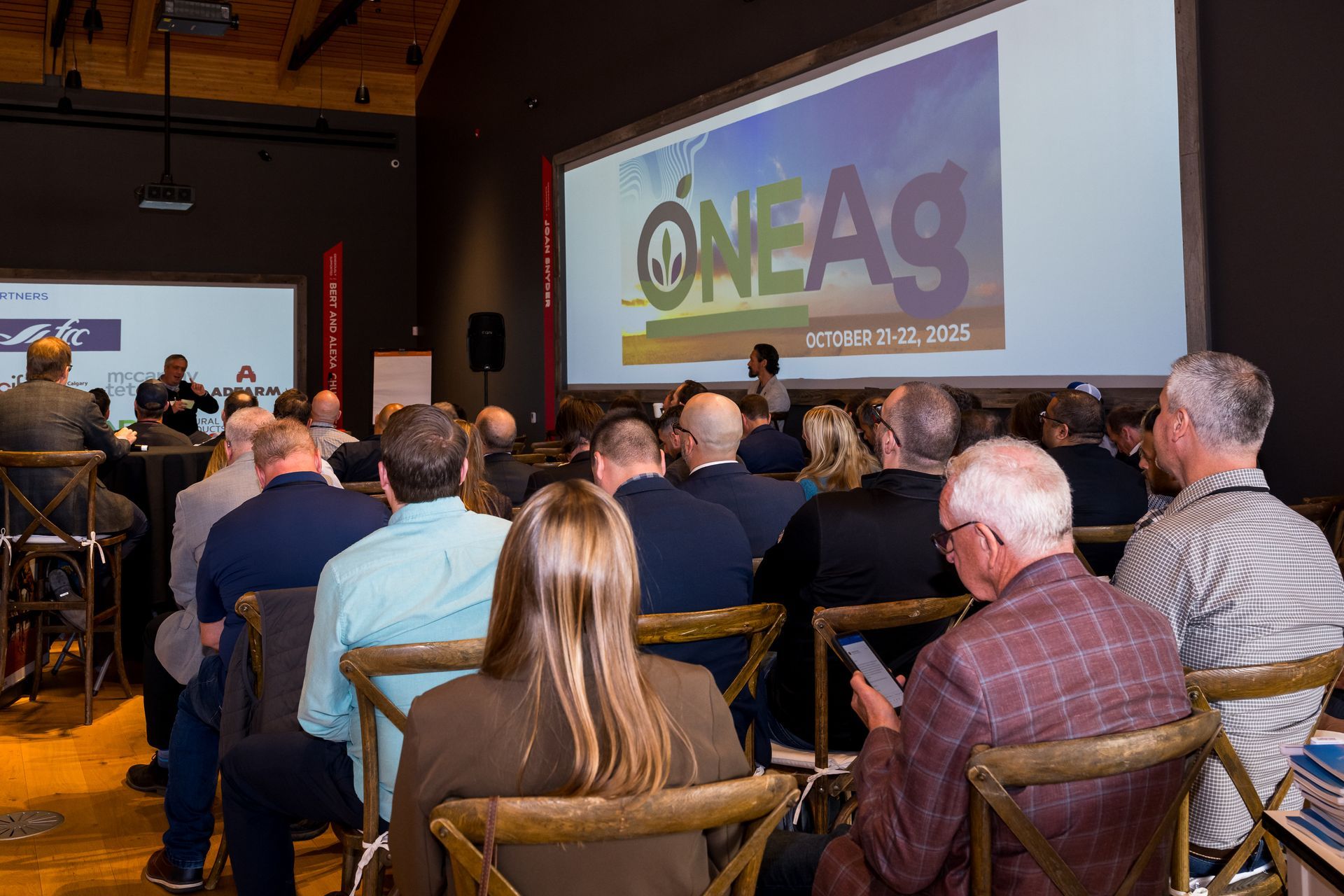
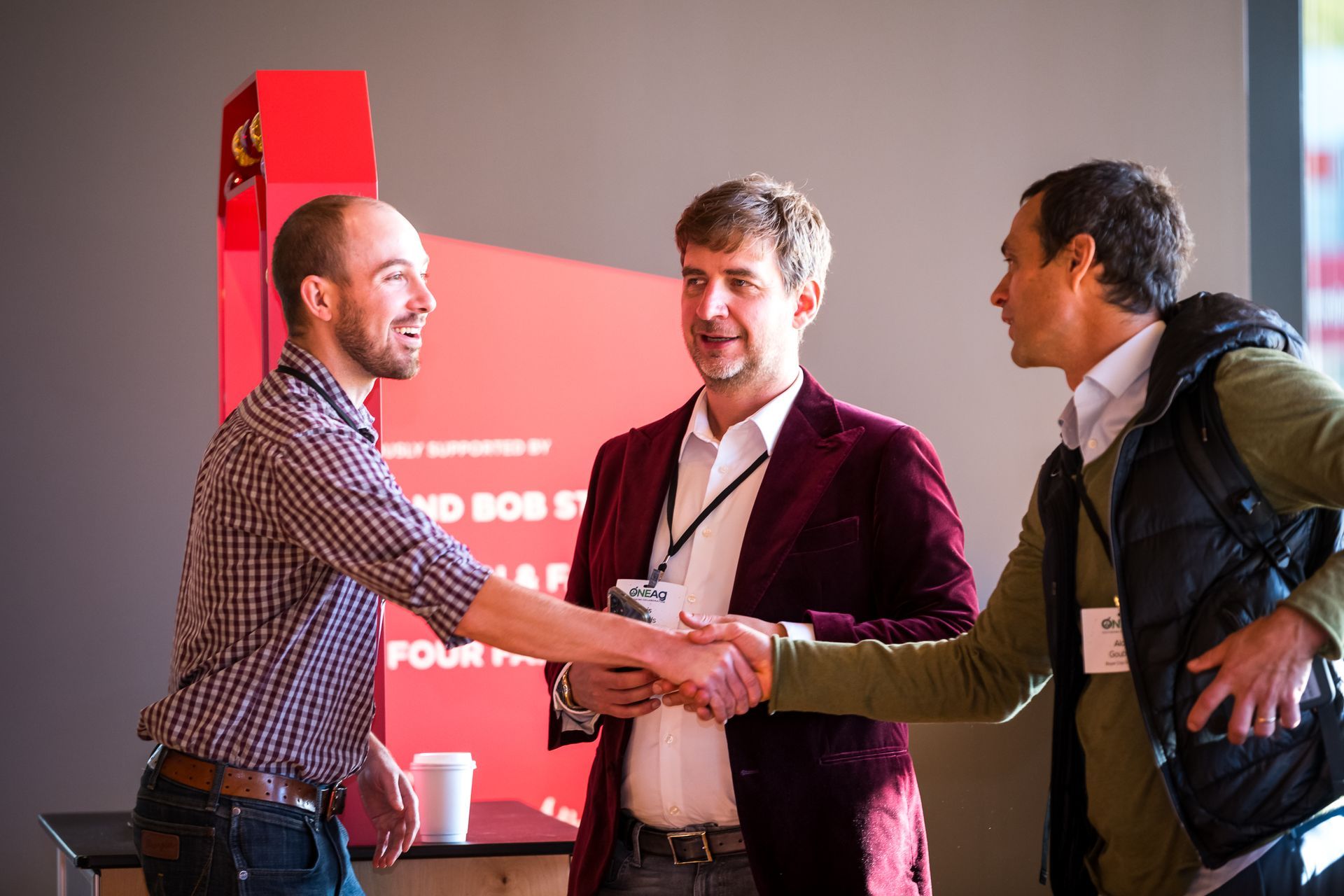
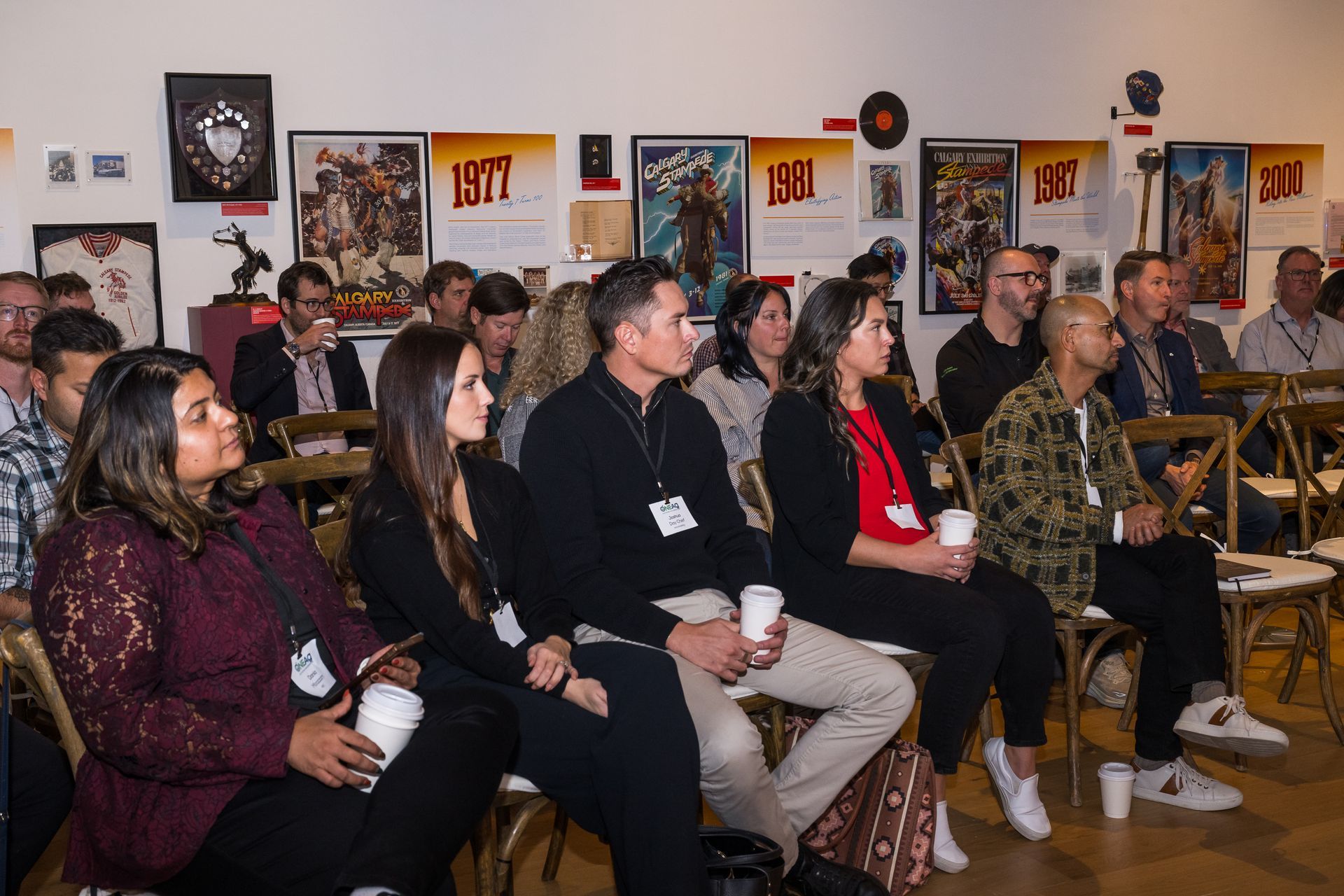
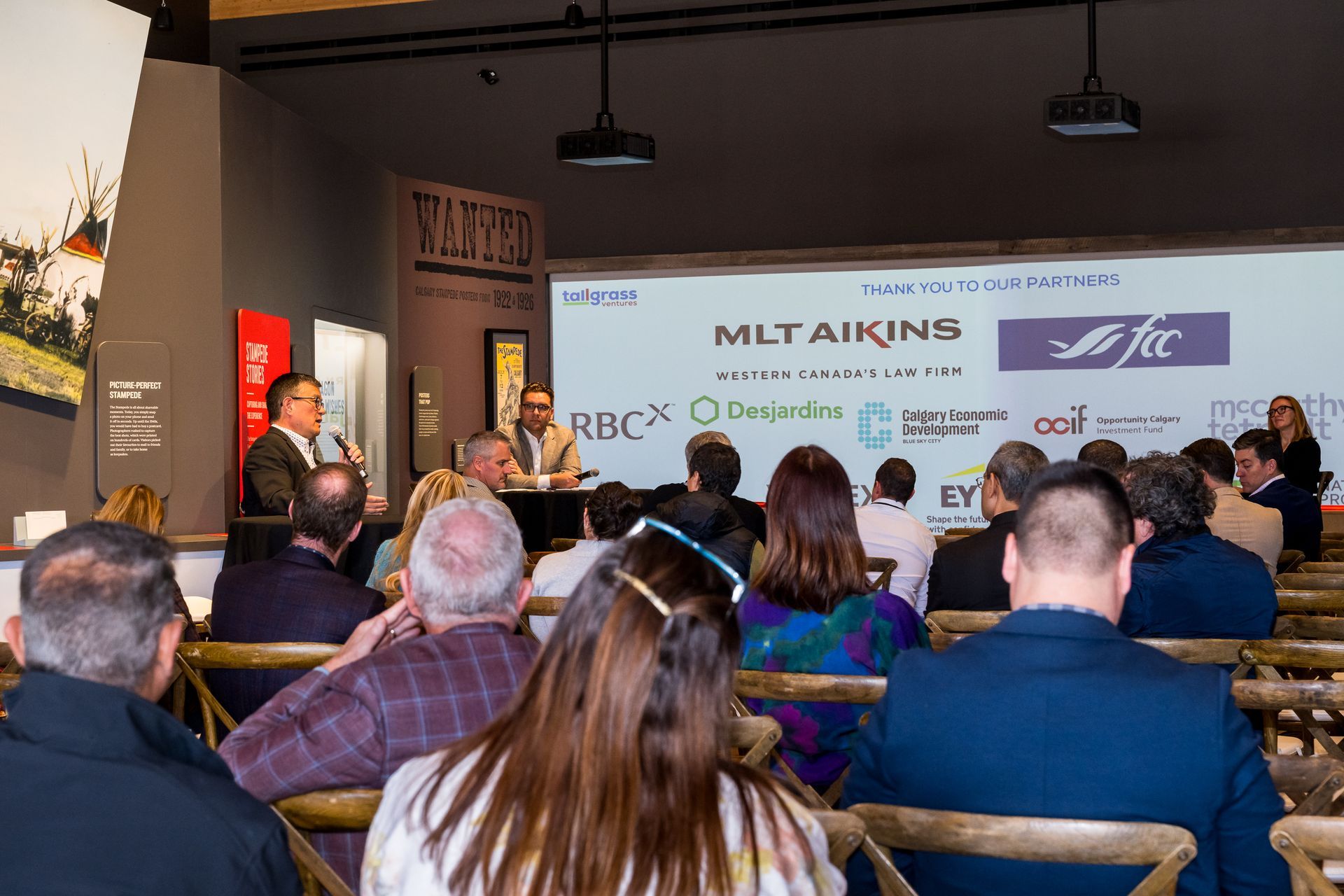
The first-ever OneAg event brought together a select group of stakeholders from across the value chain for an intimate, thought-provoking gathering focused on exploring the issues and opportunities shaping the future of agrifood. Attendees included producers, investors, startups, academics, corporations and government representatives, where they attended sessions covering issues from capital and financing to sustainability and AI.
Wilson Acton, Managing Partner at Tall Grass Ventures, set the stage for the day encouraging everyone to approach the discussions with curiosity. Right down to the layout of the room, everyone was encouraged to be actively engaging one another throughout instead of listening to a few providing their views.
We gathered the innovative ideas and thought-provoking discussions from OneAg 2025 and put them into one spot for reference below. A full day of conversations and post-event discussions begs the question, what do we think is the next big thing in ag?
As Chris Edwards, Managing Partner at Tall Grass Ventures , said to close the day, you’ll have to come back next year to find out!
Capitalizing the Future of Ag
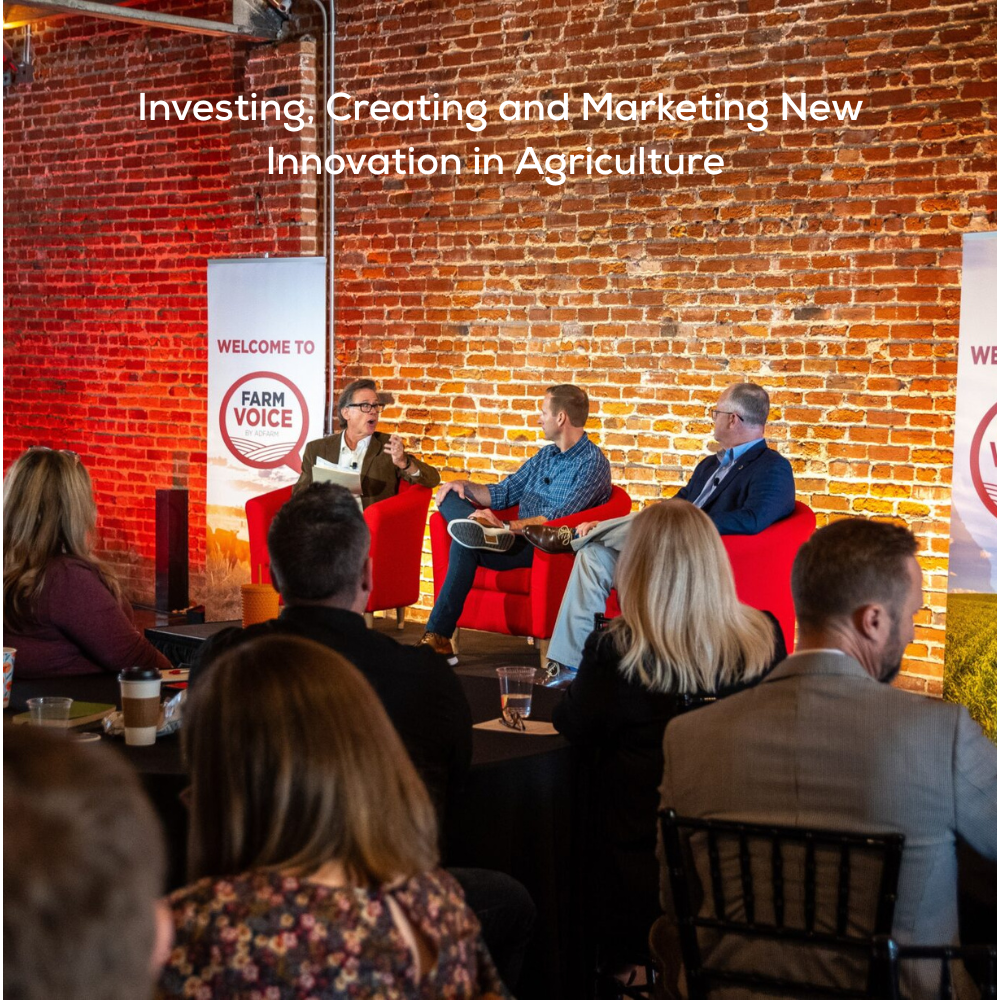
Discover More →Wilson joined Samer Awadh (MLT Aikins), Graeme Millen (Farm Credit Canada) and James Waddock (Single Track Solutions and Harvest Moon Mills) for one of the first sessions of the day: Capitalizing the Future of Ag. The panel, and everyone in the room, offered their own perspectives of what Canadian agtech needs from those with capital in order to elevate it on the global stage.
Providing an entrepreneurial perspective, James mentioned (and many in the room agreed) that Canadian investors tend to be more cautious compared to U.S. counterparts. Many investors in Canada are mainly in the early stage or late stage, creating a “missing middle”. Because investors may have a lower tolerance for risk and expect earlier liquidity or guaranteed returns, Canadian companies either sell early or are not able to progress.
Graeme drew on his experience at Silicon Valley Bank, where the objective was not to take excessive risks but to collaborate with equity investors to manage complementary types of risk. He noted that farmers are commonly understood to be risk-averse, when they actually don’t avoid risk at all—they simply manage risks that they understand and avoid those they aren’t well positioned to manage. Said another way, producers tend to be astute risk managers.
“Collaborative capital” became a recurring phrase. Canada doesn’t necessarily need “patient capital,” as is commonly called for, that isn’t as time sensitive to when returns are realized. What the country needs is the right investors at the right time, each playing a role across a company’s lifecycle. The government could also play a part in this, shifting from funding grants which create a dependency and distorts market signals to de-risking and incentivizing investors. Wilson highlighted that a “capital activation” policy was a very effective tool in the development of Canada’s natural resource industries with “flow-through shares”, now being utilized for critical minerals and rare earths.
The discussion drifted toward customer adoption with Graeme planting a flag: “show me customers and I’ll show you capital.” Canada struggles because early commercial traction is harder to achieve domestically with the seasonal nature of agriculture leading to “one kick at the can each year”. Some mentioned Canada’s slow regulatory system as a major hurdle. But Samer challenges entrepreneurs to think beyond Canadian seasonality when testing their products and seeking customers, talking about the idea of “seven seasons” that he and Wilson spoke about before: that agricultural opportunity spans multiple cycles across North America, from Canada down to Mexico. There isn’t just one chance each year to test your product: you can go elsewhere that has the conditions you need to do so.
Building on the discussion, what are ways that our community can help advance agribuisness across the sector and geographies?
Resetting Sustainability
Discover more →At the helm of the sustainability discussion were Ed Ma, Todd Coakwell, Barbara Campbell (Natural Products Canada) and Francis Claude (EY). Sustainability is a concept that continues to evolve, meaning different things to different people, especially in agriculture. There was general agreement that sustainability in the context of most industries, fundamentally refers to the strategic integration of practices that ensure long-term operational viability while balancing economic profitability, environmental stewardship, and social responsibility through good corporate governance.
As sustainability is more understood, more nuance has been applied. Solutions are no longer black and white. Natural or biological solutions are not inherently better for the environment. Waste is now being seen not just as a cost or liability, but as a potential value stream or even a revenue opportunity. For example, biofuels or carbon credits.
Thinking around sustainability has gone beyond achieving net-zero by 2030 or 2050, but rather to a more near-term, value-added lens. Economic viability is a prerequisite. For sustainability to be scalable, it must deliver measurable value at the farm and business level. Sustainability is increasingly viewed as a form of risk management, integrated more directly into core operations instead of a separate initiative.
Consumer demand remains a strong driver of sustainability investment. For example, global brands like L’Oréal are still investing in sustainability because of the long-term reputation and consumer-facing benefits. Climate and sustainability messaging by corporations has been reframed— especially in the U.S.—based on current political and macroeconomic conditions. But many still view it through a long-term lens, much like farmers running generational businesses.
Farmers have been incorporating sustainable practices for a long time, and recognition of past and current work by farmers is critical. There’s already been incredible progress on no-till, cover crops, water stewardship and biodiversity protection. These efforts need to be acknowledged and built upon, not reinvented.
Farmers and ranchers have made major strides over the past decade in collecting, tracking and verifying sustainability-related data, and as mentioned in the room, “data is the foundation of how all sustainability efforts are built.” Those who continue to invest in this capacity, whether at the farm or corporate level, will be better positioned for long-term success.
There is potential for stronger collaboration between financial institutions, input providers, producers and downstream partners to support shared sustainability goals. Incentives could include carbon credit programs tied to soil health or grassland preservation, or tech adoption through lower-cost pilots. Canada’s sustainable beef framework offers an example of a collaborative effort that recognizes and advances sustainability efforts.
What are more ways that the community can foster this collaboration?
Harvesting ROI from AI Across Agribusiness
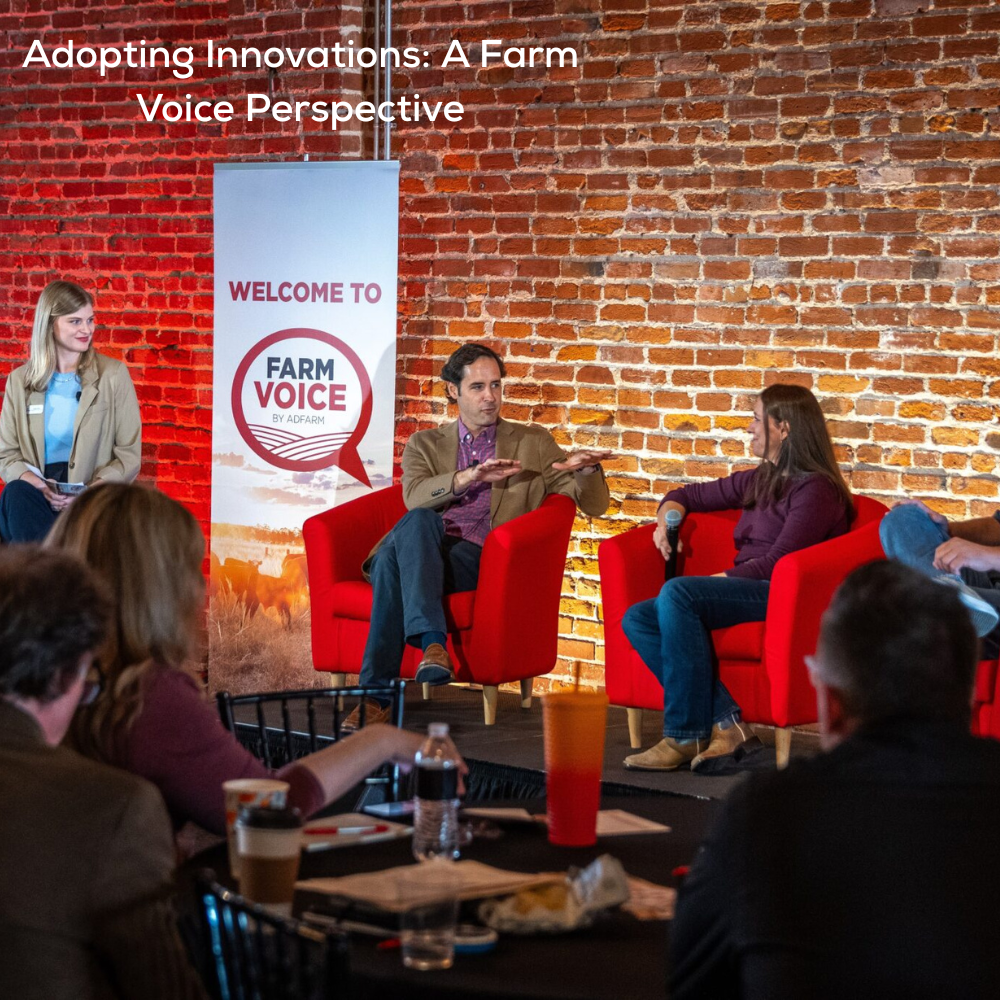
Discover more →Kicking off the discussions on AI in agribusiness were Dan Maycock (Dataplai), Brett McMickell (Kubota) and Eric Nosal (Arcurve). AI is transforming industries, agriculture included. But there are promises and pitfalls for AI across the agricultural ecosystem. AI is currently both overhyped and indispensable – an odd combination. Like past tech revolutions, AI is currently in a bubble phase.
There are valid concerns about the growth of AI. It has been a giant sucking sound for capital investors, creating competition for growth-stage ag companies seeking financing. As data centers draw on power and water resources, building the AI model is creating emissions not previously accounted for. Power use in data centers should still be a concern though.
A key point raised in the discussion: Communicating the ROI of AI to agribuisness customers should not be about the technology. Customers, farmers included, care about results and addressing their pain points, like water, labour, yield and profitability. AI needs to be embedded into tools that solve real operational challenges. Instead of automating entire jobs, AI should assist with specific subtasks to improve productivity. Real ROI comes from augmentation, not automation, allowing humans to focus on decision-making and value creation. It comes from rethinking entire workflows, not just adding tools. But for now, there needs to be ways to integrate AI that is realistic and task-specific, and help with what agribuisnesses actually want in order to drive adoption.
Trust has been the greatest barrier to AI adoption in ag. For example, one way that AI can help farmers by relieving the pressure to report Measurement, Reporting, and Validation (MRV) data for sustainability or insurance. AI could automate this reporting. However, farmers need assurance that they can trust AI to do so accurately. Everyone has seen AI make mistakes before (or “hallucinations”) and the consensus in the room was that the prevalence of hallucinations is higher when dealing with specialized situations such as in agriculture.
Work needs to be done to build valid, reliable datasets in AI. Data volume isn’t the issue, data quality is. Collaboration is crucial to vet data and separate signal from the noise. Many in the room advocated for shared data ecosystems, and there were suggestions on how to encourage this, especially when data has been seen as a competitive advantage by companies from large OEMs to startups, and even growers.
What are some ways that collaboration can help build trust in AI in ag?
Sacred Cows Leaving Dairy?
Discover more →Supply management, and regulatory constraints more generally, has been a hot topic once again in Canadian ag. Kee Jim (GK Jim Farms), Nathan MacPhee (Invest Inya Farmer), Chris Nyberg (MLT Aikins) and Tonya Fleming (Alberta Securities Commission) sought to drive discussion on the Canadian regulatory environment and ag tech.
Supply management remains a defining feature of Canada’s agriculture sector but the trade-offs are becoming harder to ignore, especially for export-focused industries like beef, grains and other commodities that face market access limitations and capital flight. Regulations in the U.S. seem more business-friendly, especially for livestock operators.
Beyond the farm, Canadian regulations are slowing down business and innovation. There are even differences that entrepreneurs have to navigate within the country, as some provinces have more business-friendly regulations than others.
Time is often the biggest cost for businesses navigating regulations. Getting a clear yes or no earlier in the process can save significant resources. A delayed “maybe” only creates unnecessary expense and frustration. One of the biggest irritants raised was not the answer itself, but how long it takes to get one. Businesses aren’t afraid of hearing “no,” they just want to hear it early so they can adapt and move on.
On the flip side, while faster regulatory approvals can help businesses move forward, a rushed process could expose companies to legal risk. Final discussion determined there’s value in striking the right balance between timeliness and due diligence leaving some issues to be addressed afterward, should they arise, instead of trying to create a bullet-proof approval.
When it comes to supply management, Canada has two very different case studies to look to for guidance from Australia and New Zealand. When Australia and New Zealand deregulated at around the same time, they saw very different results. Australia deregulated and lost approximately half its dairy farms. The market became highly concentrated and prices dropped for consumers. The best farmers are still doing well, but the shift wasn’t without consequences. New Zealand’s dairy industry became one of the country’s most profitable, largely due to its export orientation and focus on milk solids which underpin a value added industry orientation. In contrast, Australia focused on fresh milk and found more strength in the beef cattle and cropping sectors. One model delivered strong returns to farmers and the national GDP, while the other to consumers. But context matters. Water access, environmental conditions, innovation, land development and regulatory environments are each very different across the two countries.
Canada is approaching a decision point, regardless of whether we like to admit it. As questions mount—who assumes the debt if the system evolves, how long can export agriculture bear the cost of insulation, and could beef-on-dairy models be a viable transition—the conversation is shifting from if to how. Which path forward will it take for the future of the agriculture sector? Is there a middle-ground solution?
Have We Lost Our Nerve Around Long-Haul Innovation?
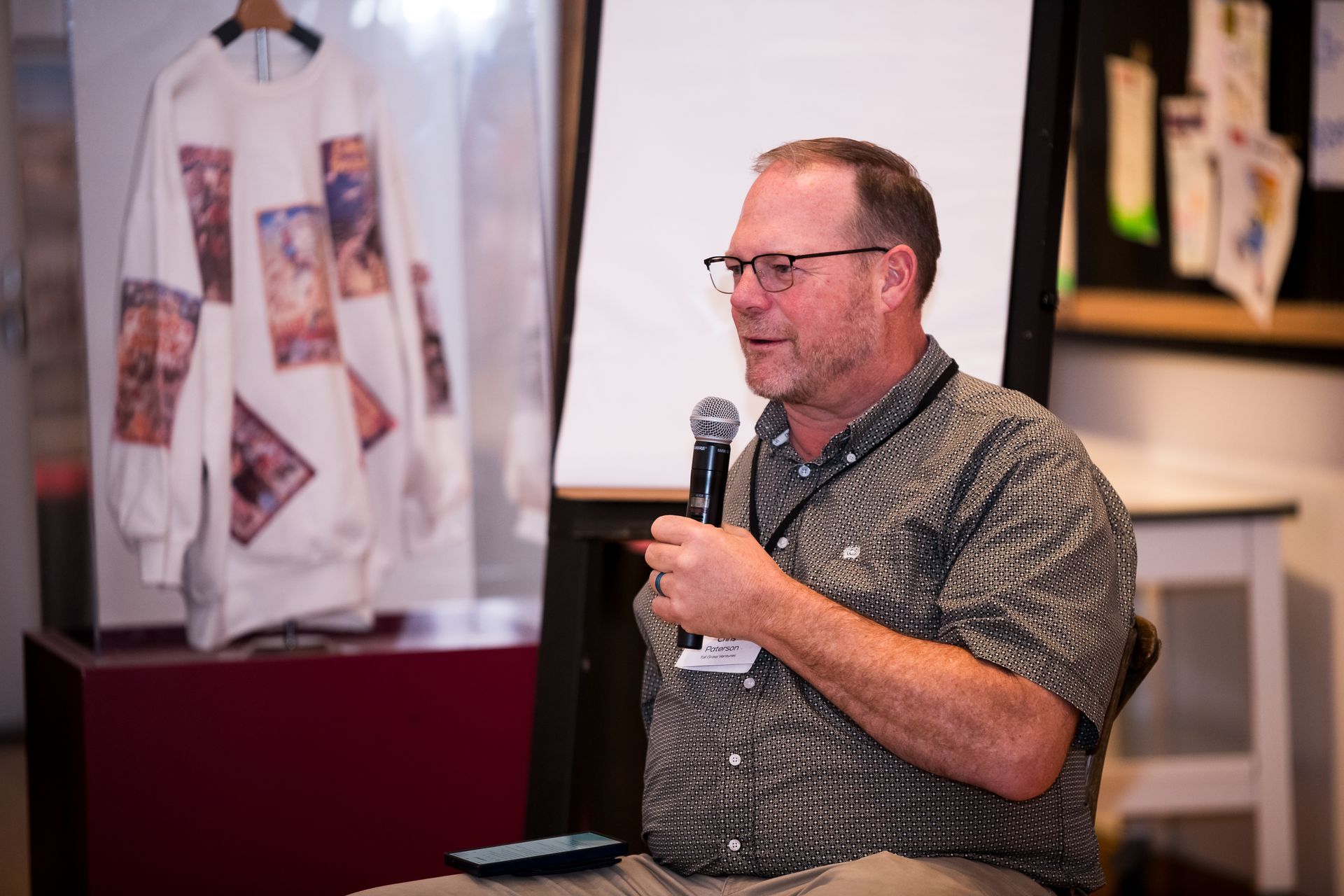
Discover more →Pete Santoshman (Innovate Calgary, UCeed), David Fullerton (Olds College) and Chris Paterson (Tall Grass Ventures) sought to answer the question: “We used to build railways and irrigation networks—true nation-building projects. Have we lost our nerve to do that again?”
Long-haul innovation refers to multi-decade, transformative projects that shape industries or societies. A classic Canadian ag example is the development of canola, which took decades of public and private R&D to turn rapeseed into an iconic Canadian export that now defines Canadian agriculture.
Historical successes in Canada such as canola and the oilsands relied on public funding first, private scaling later. Today, this model is fragmented. Universities, corporations and government programs operate in silos. Modern venture capital timelines are too short for deep innovation cycles that often take decades. Public policy cycles are even shorter, discouraging risky, visionary commitments that could fail. Corporations have also shifted away from moonshots toward incremental investments. Everyone wants fast returns, but transformative innovation takes time, risk and coordination. A sentiment from earlier in the day came up again: that Canada’s risk culture is weak, which has eroded our appetite for nation-building.
According to attendees, the “nerve” is still there. Canada still has the talent and opportunity to drive long-term innovation. It’s short-term thinking that has held it back. But questions remained: Who should lead the innovation effort? What’s the next long-haul focus? How do we create public trust for ambitious, risky programs?
While these questions do not have easy answers, suggestions were provided by people in the room. AI and data centres could become the next generation of nation-building infrastructure. They could be strategic national assets that are long-term enablers of other innovation, and could be tied to other industries like agriculture, energy and climate systems. Strategic, co-funded national projects could be built around AI, and carbon tax revenues could seed the investments.
Climate change may also provide the necessity that drives the next wave of long-term innovation, even in agriculture. Growing seasons are now changing in Canada, and there could be more arable land available. There will also be new water, crop and disease dynamics due to climate change. Canada’s abundant land and water resources give it a potential global advantage if it invests now in the science and infrastructure to not only adapt but also capitalize on the shifts.
To revive long-term innovation, broad coalitions of government, academia and industry, like past efforts to develop the oilsands resource or build a synchrotron in Saskatoon, could form “innovation consortia”. XPRIZE-style models could incentivize breakthrough productivity through targeted challenges. Specific institutions could be empowered with long-term mandates and autonomy, similar to the CSIRO in Australia. We should stop scattering dollars and start aiming at big, shared targets.
What are your big ideas for long-haul innovation in Canada?
Financing Structures No Longer Serving Anyone
Discover more →Canadian ag and food businesses have been able to access low-cost capital through traditional financing structures, but it hasn’t evolved for today’s needs, according to Benoit Goyette (Desjardins), Roxane Lieverse (formerly at Rabobank and Scotiabank) and Trish Henderson (producer, UFA board member and Tall Grass Ventures advisor).
Access to money isn’t the issue. While the banking sector is efficient, it is not innovative, relying on old models like land collateral, which fail to address modern agribusiness realities. Roxane said that Canada has one of the lowest-cost debt market in the world, but that discourages financial provides to take risks and provide innovative financial solutions.
Canadian farmers remain fixated on owning land and assets outright, even when it constrains growth. In other countries such as Brazil, the U.S. and Australia, they rely more on collective financing, leasing, and leveraging contractors, each of which enable rapid scaling. In Brazil, massive 500,000-acre farms helped sustain entire communities. That was enabled by large-scale collective financing and coordinated investments in infrastructure—roads, rail, ports—not just at the farmgate. Other countries finance agriculture like a growth business. We finance it like a mortgage.
The panel brought forward the idea that Canada must move from asset ownership to operational entrepreneurship, where farmers are running companies, not just owning land. As farms start to change hands to the next generation, younger producers want to do things differently from their parents. They are oftentimes more entrepreneurial, tech savvy and open to collaboration. They want flexible financing, data-driven decisions and equity partnerships. However, banks still treat them as borrowers, not business partners, requiring traditional collateral to receive financing.
Are producers open to new capital structures like venture debt or equity arrangements? Would they be willing to pay more if it meant opening up greater opportunity? Could farmers be ready to own less land or less equipment to bring in outside capital? Are traditional lenders prepared to help shift that mindset, and invest the effort to do so? But maybe there’s a different way to add value. Could a financial partner help a farmer access new tech, markets, pilot programs, or farm trials? That kind of partnership could open doors well beyond a standard loan.
Traditional lenders may not yet be prepared to guide or support these transitions. Meanwhile, equipment manufacturers, inputs suppliers, financial cooperatives/credit unions and even foreign banks are stepping in with more flexible and innovation-friendly options. Financial cooperatives/credit unions were called by the panel to lead by example in creating new financing pathways because they can reinvest profits locally. They answer to members instead of shareholders, and they can take longer-term, community-based risks compared to traditional banks.
Could Canada's cooperative banking institutions and Crown corps lead the way in piloting new investment models that align capital, tech and infrastructure, rather than leaving innovation to happen piecemeal?
Join us in continuing the discussions on the OneAg LinkedIn page.
Have any ideas for future OneAg events?
Resources & Materials
From Your Tall Grass Team



Insights Shared by Our Partners










OneAg Proud Partners
OneAg 2025





OneAg is hosted by Tall Grass Ventures
Learn more about us! Visit the links below for more details on our Portfolio Companies and more!